Shuar Families in Chinimpi
Wisdom keeper, Guide and Weavers
Shuar people are indigenous group living in Ecudorian and Peruvian Amazonia rainforest. The population is believed to be around 70,000 - 110,000.
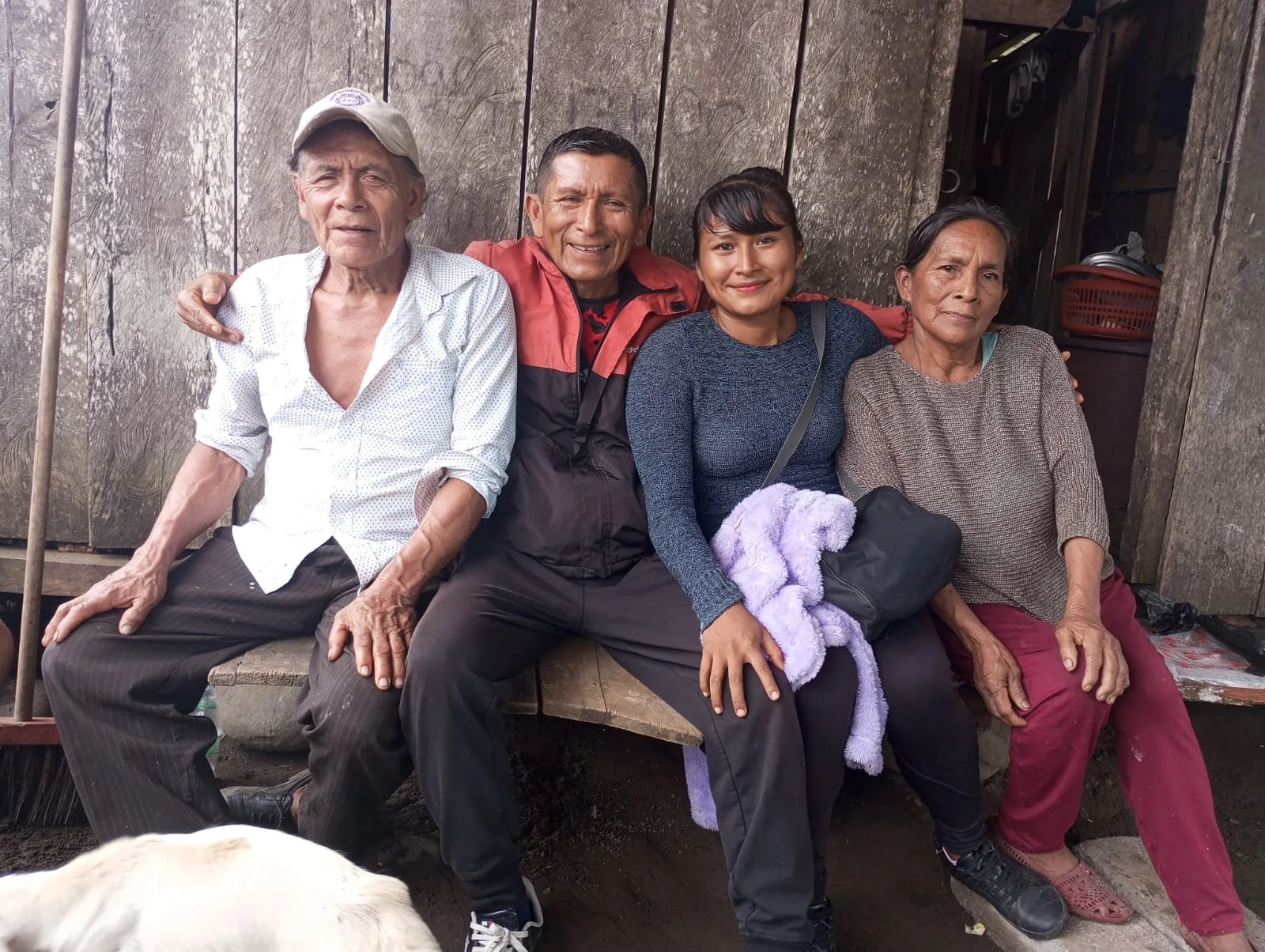
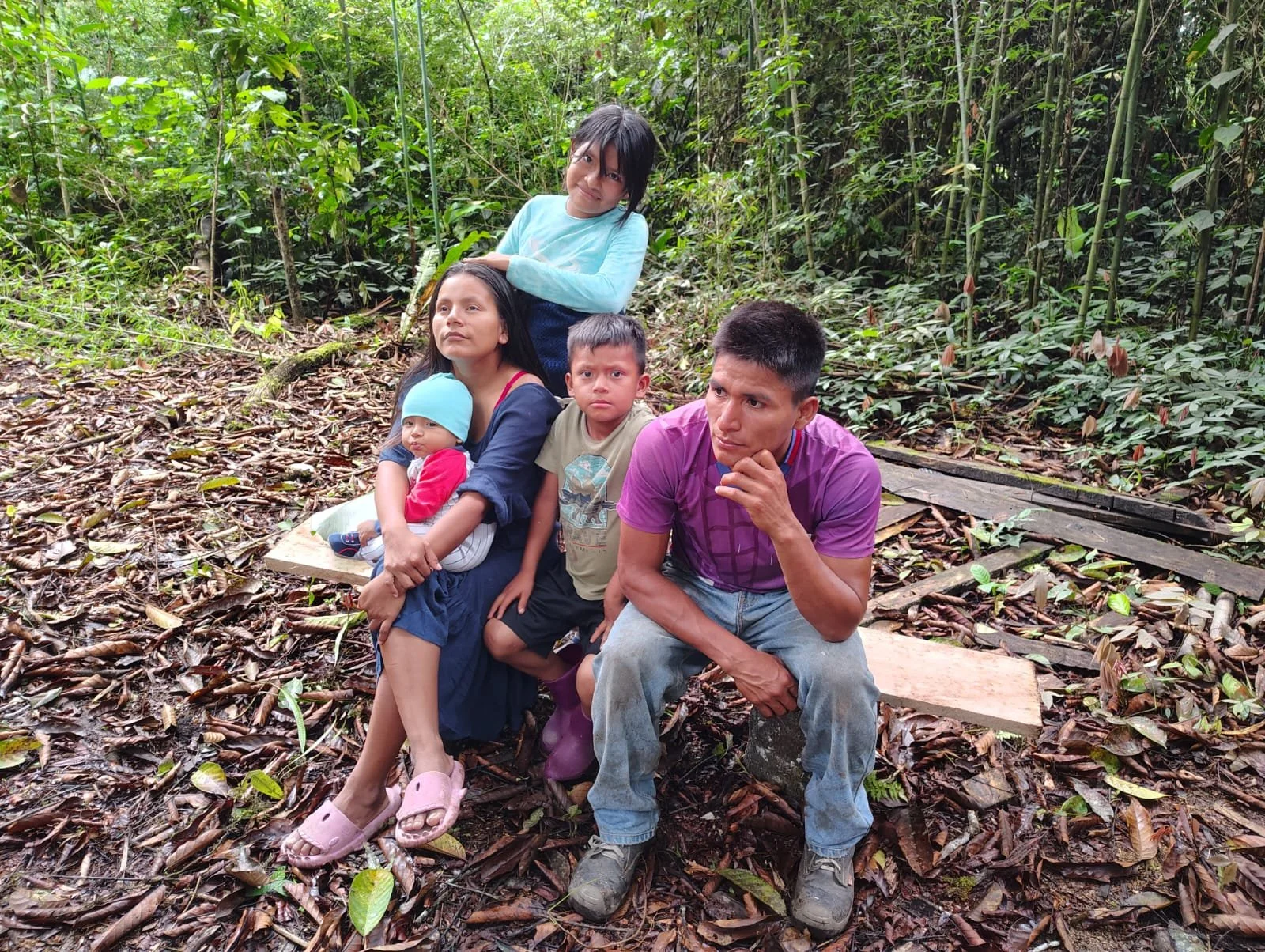
Here we will be sharing about Shuar family in Chinimpi community in Ecuador. They have been living in harmony with the vibrant Amazonia jungle. They are our guide - showing us how to re-connect with Pachamama/Nunkui (Mother Earth) and the magical aspect of co-existance. They are living with full of gratitude, kindness and caring energies.
They have their own unique culture, language and traditions including their authentic and energetic dance, music and arts. (The videos and more photos below).
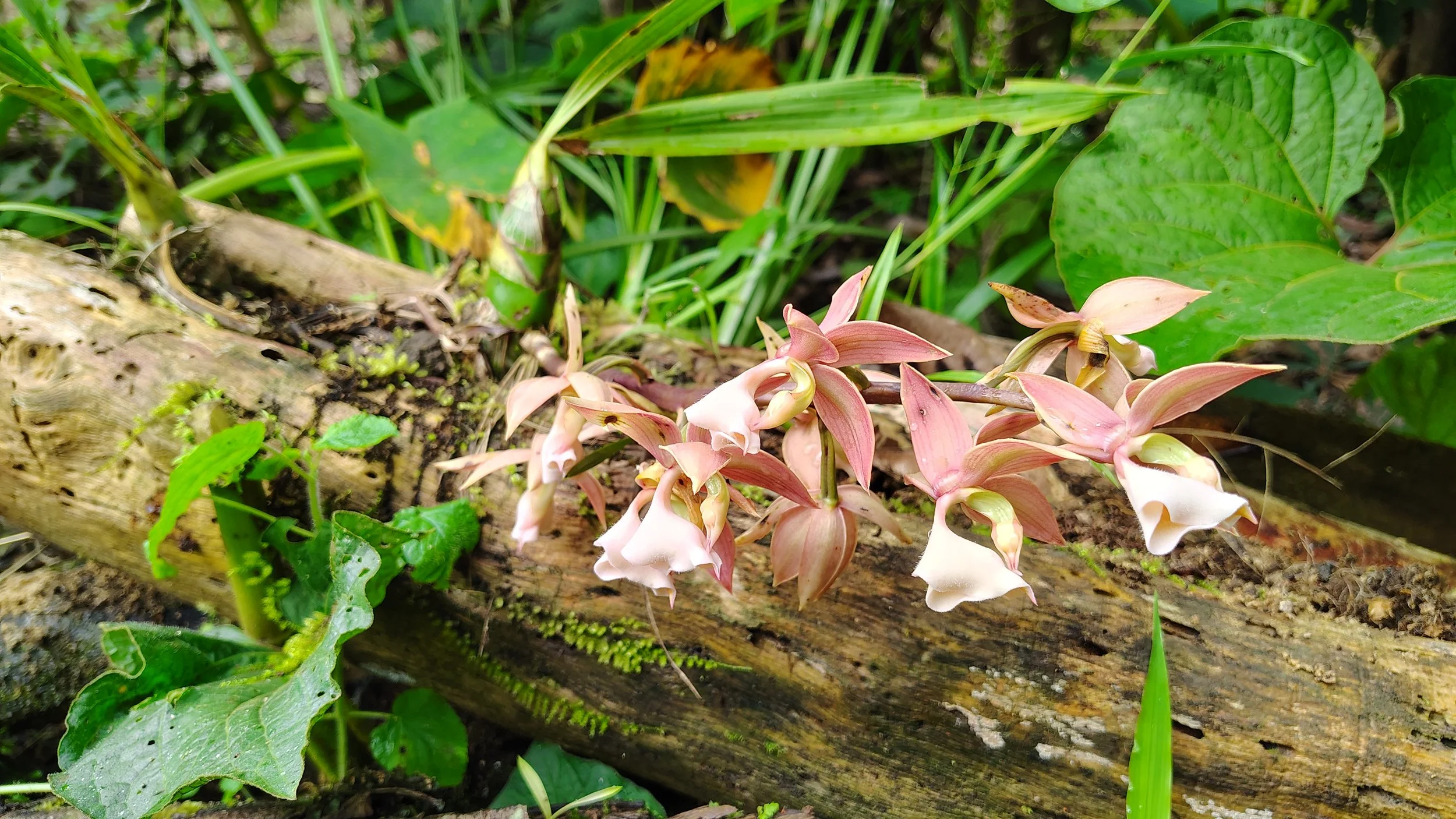
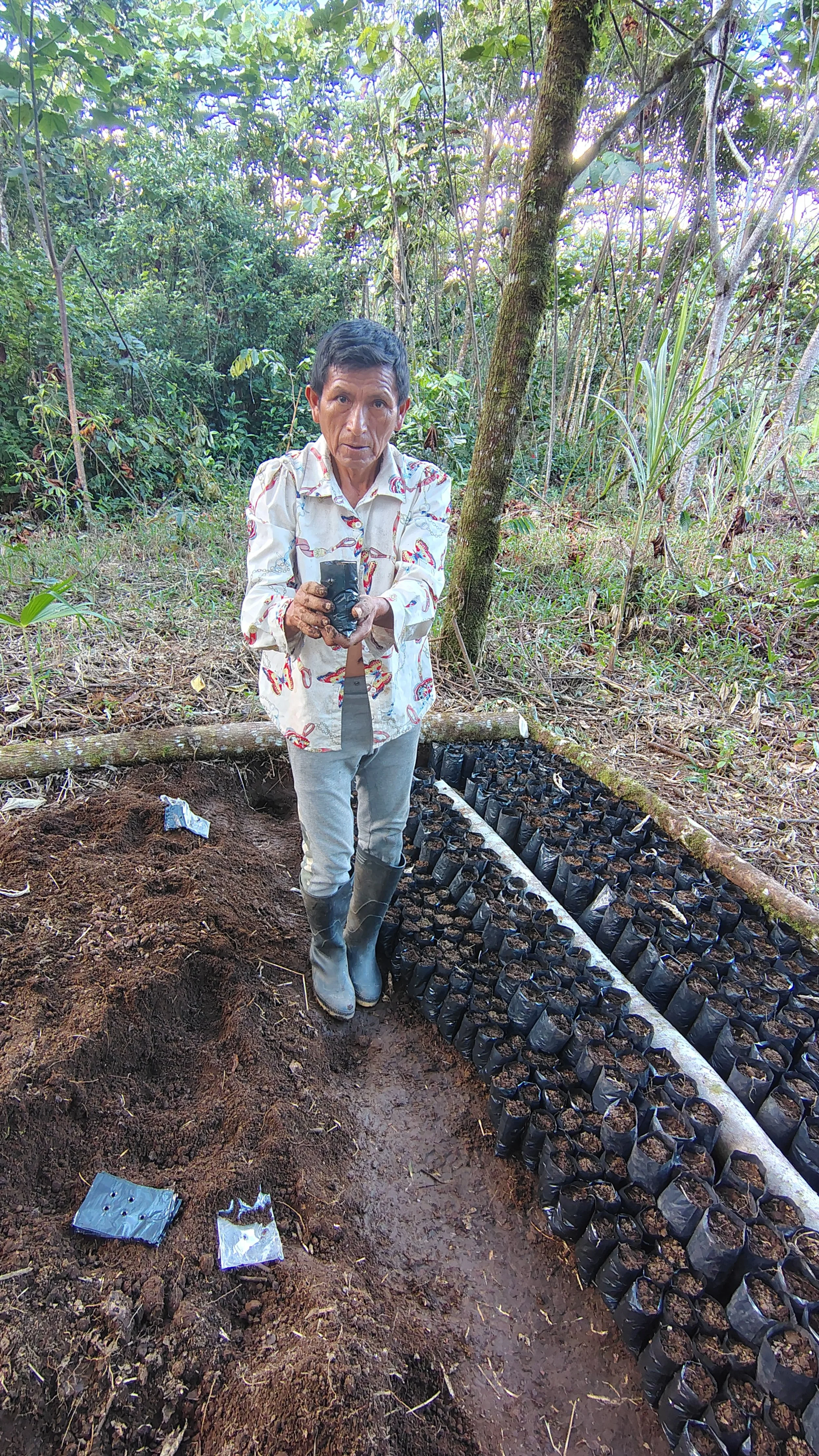
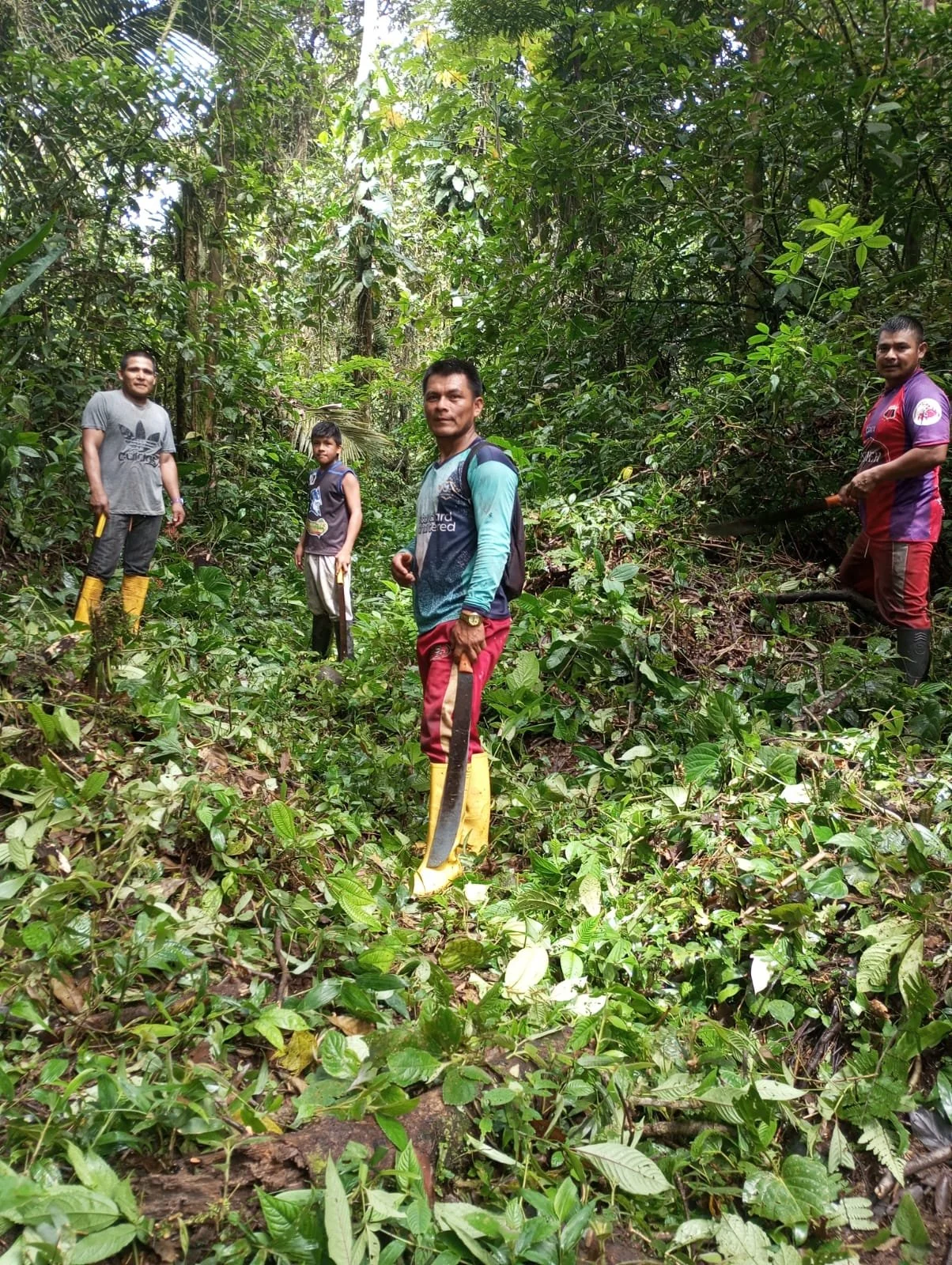
Some elders speak only Shuar language, most people speak both Shuar and Spanish due to the colonial history and government-sponsored schooling. The children learn Spanish and Shuar at school. The families in the community practice hunting, finishing and foraging. Many people also work in agriculture and construction to support their family. They have been preserving their ancestral wisdom and knowledge in co-living with our Pachamama including their deep understanding of the relationships with the plants and trees. They use medicinal herbs for ceremonies, healing minor injuries and a various health conditions.
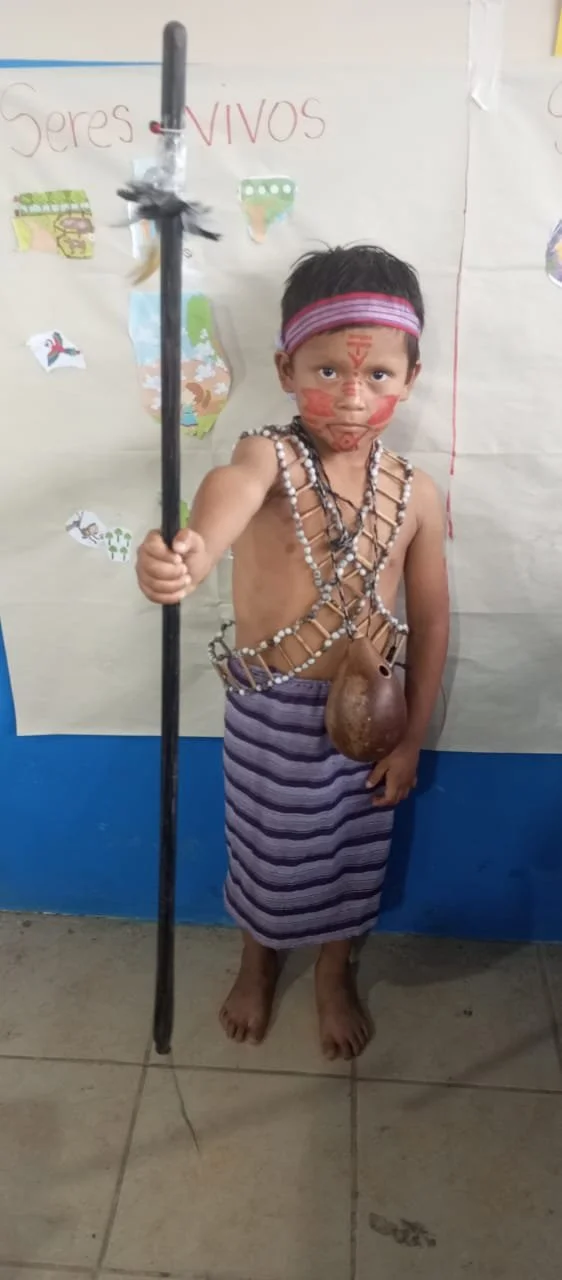
Due to the loss of majority of their lands, most families are living in the village currently. Their life in the village is becoming more modern with western clothings, water, electricity and wifi access. They dress up in traditional costumes on special occasions and ceremonies. The vibrant blue dresses with intricate feathers, seeds, and beaded jewellery are worn by Shuar women while men wear long striped skirts with seeds and feather accessories. Women normally wear red, blue/light blue or black dresses to symbolize Shuar culture.
They have kept their custom of painting their body and face using Achiote dye from its plant to protect their spirits from any unwated beings.
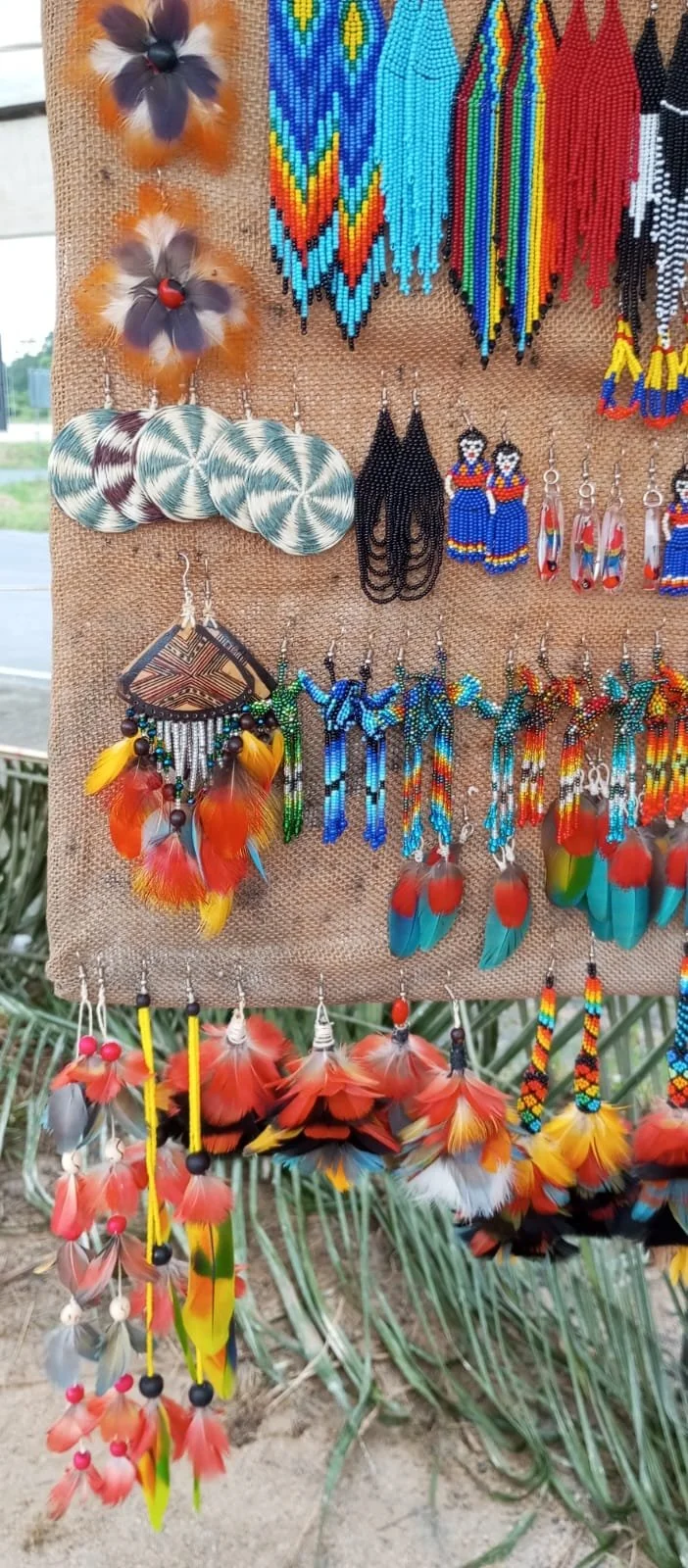
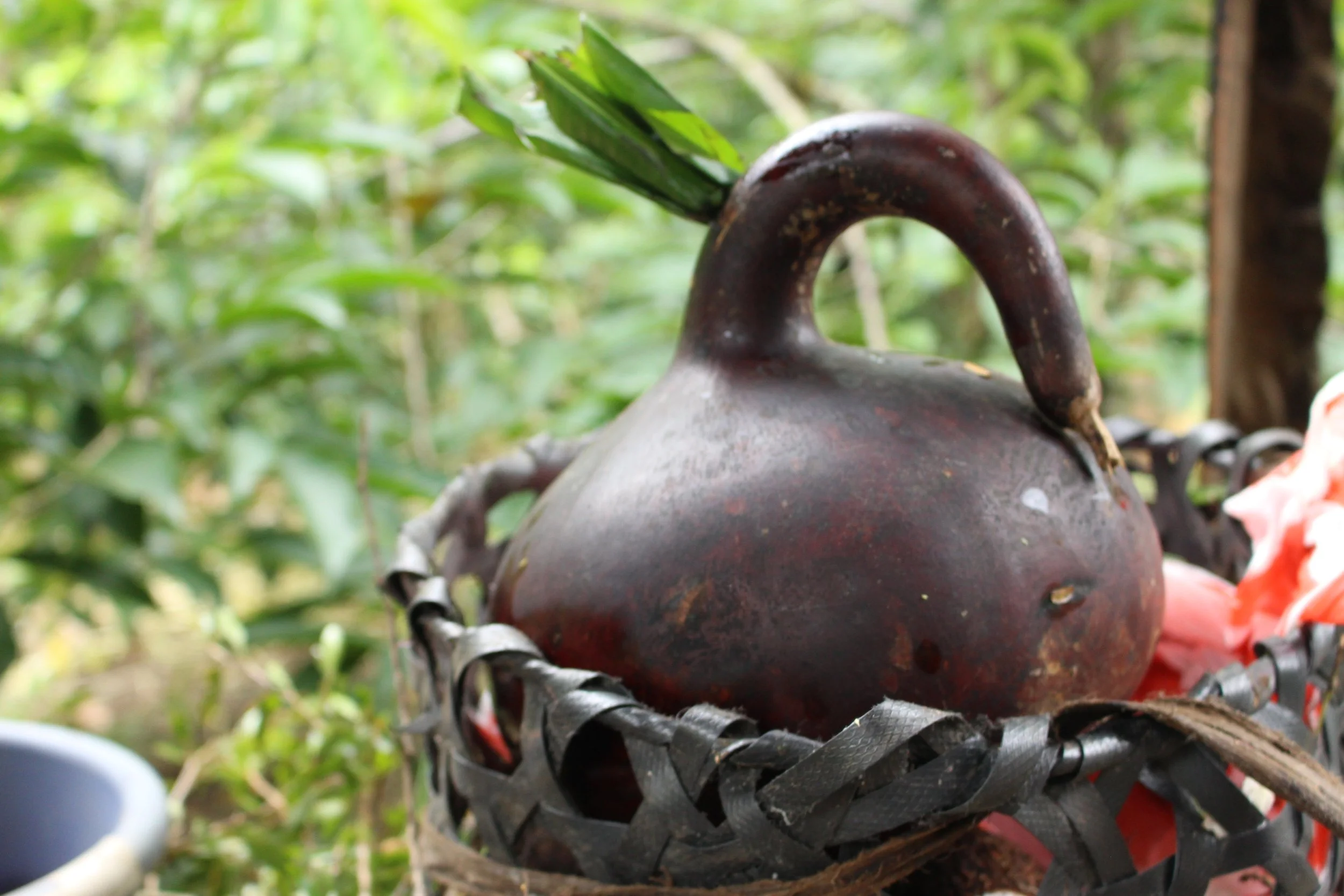
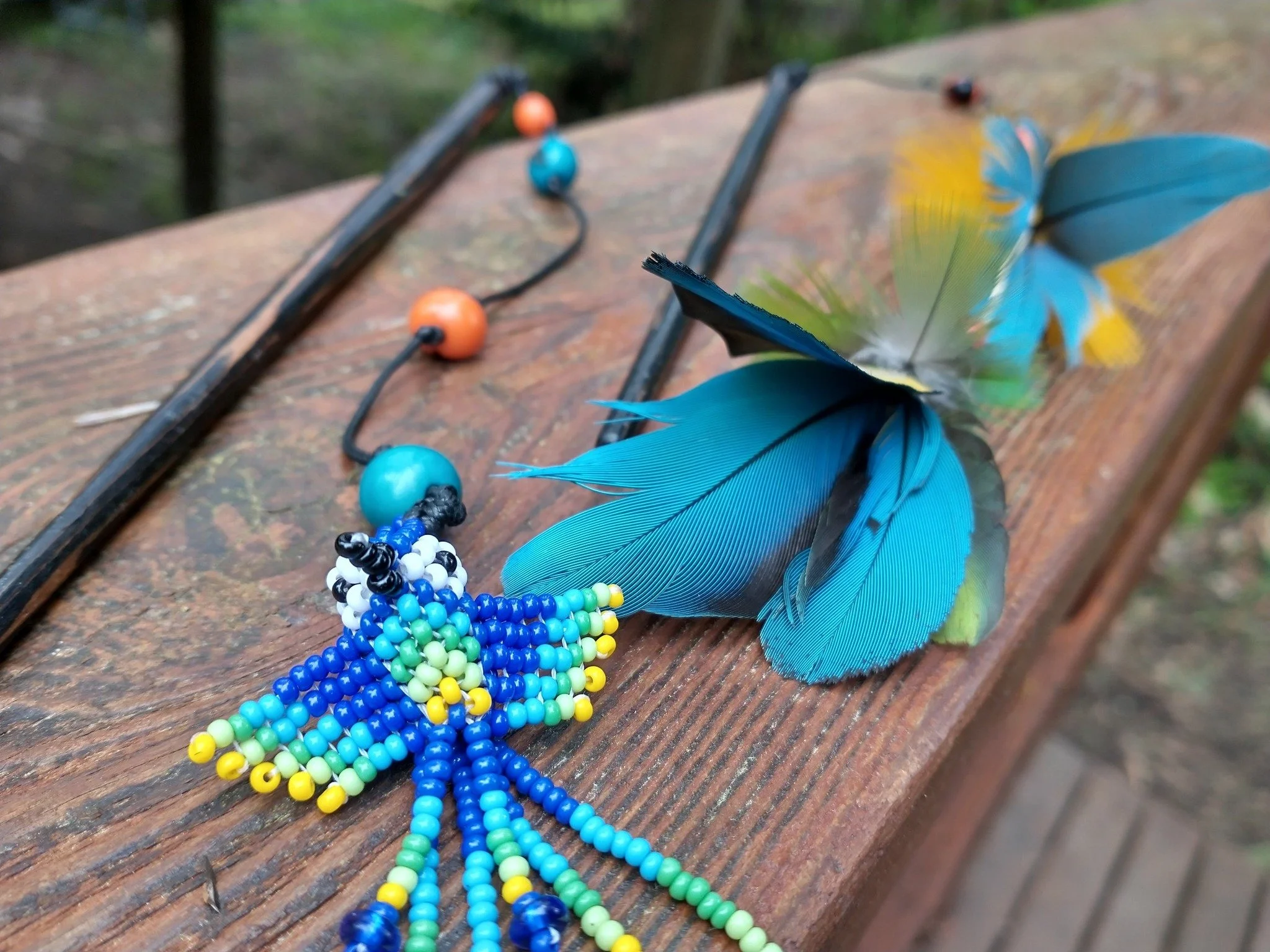
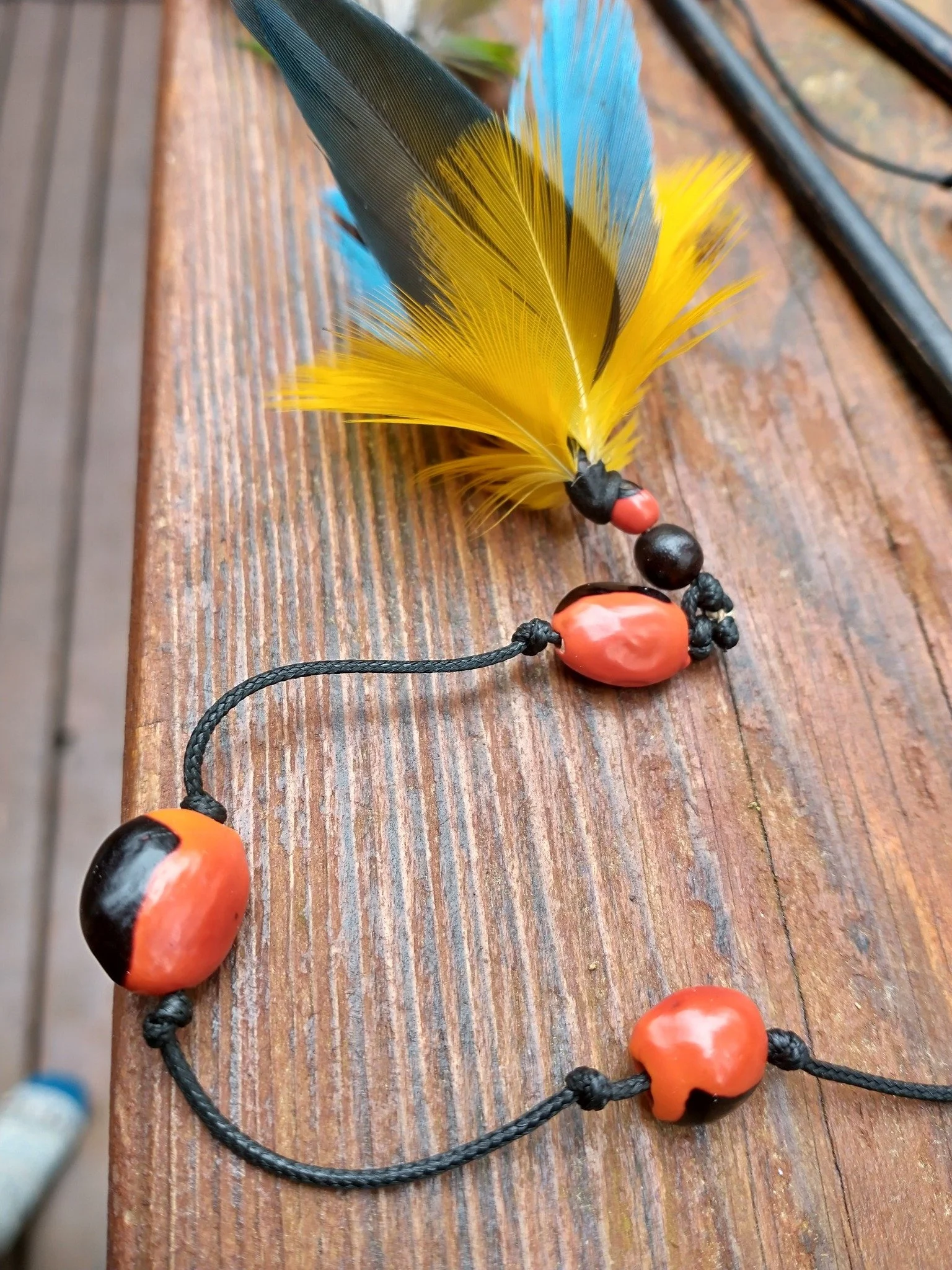
Their handcrafted arts include beads accessories, seed and feather earrings, hair accessories, pilche curving and more. Wearing blue feather in Shuar culture means showing appreciation to their husbands who go hunting. Red seeds with a black spot (Huayruro seeds) symbolize anaconda’s eyes in their culture.
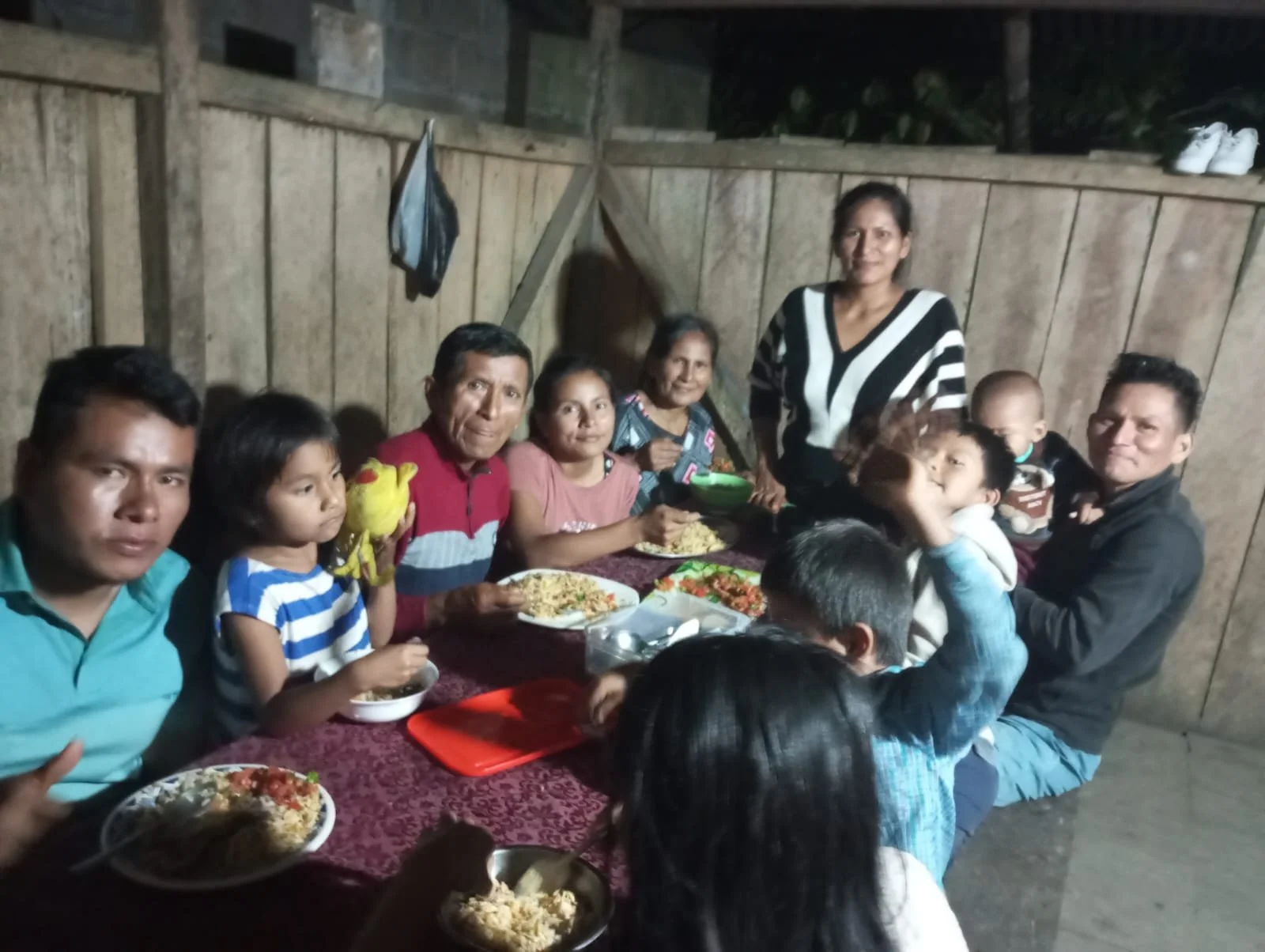
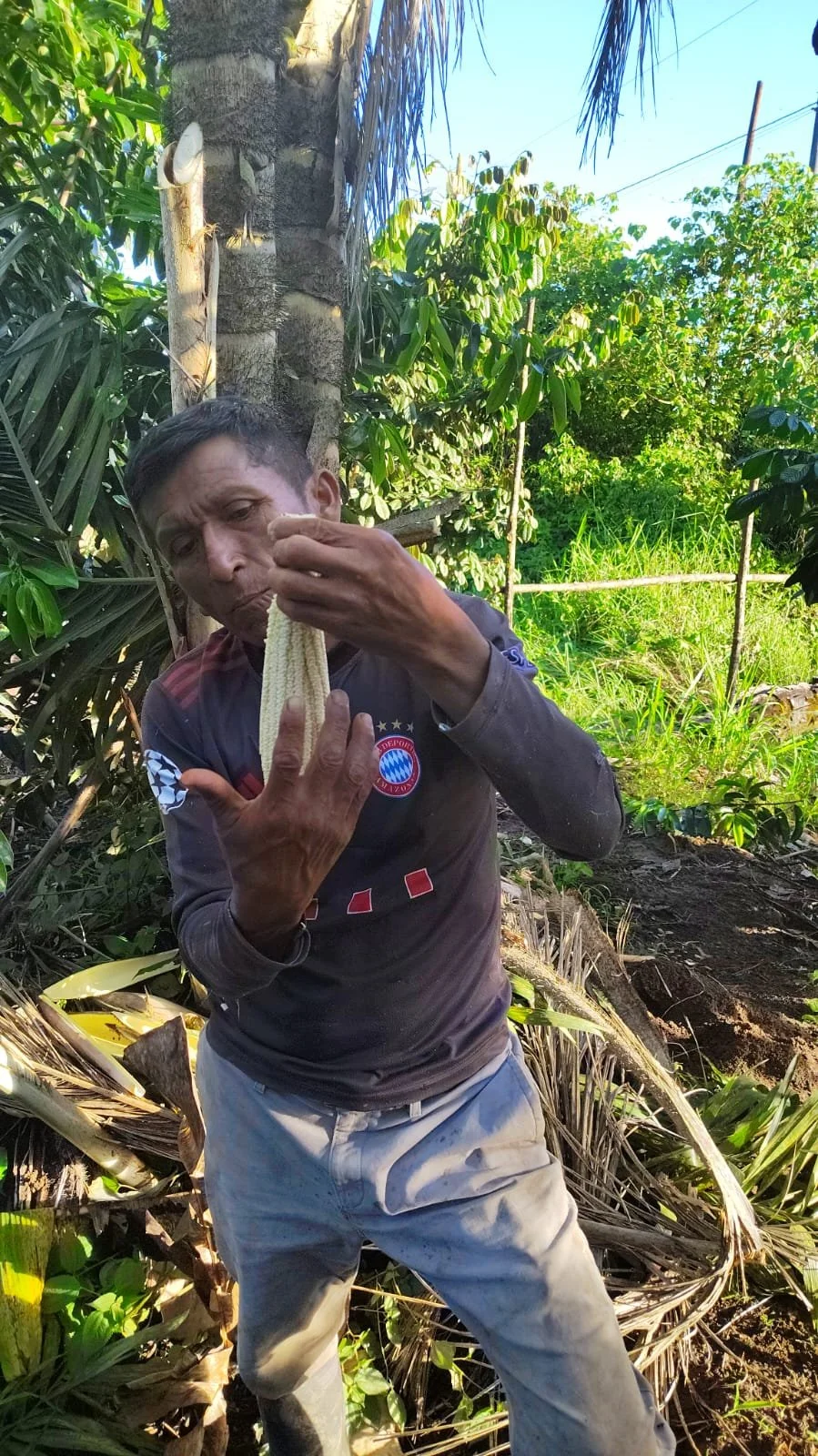
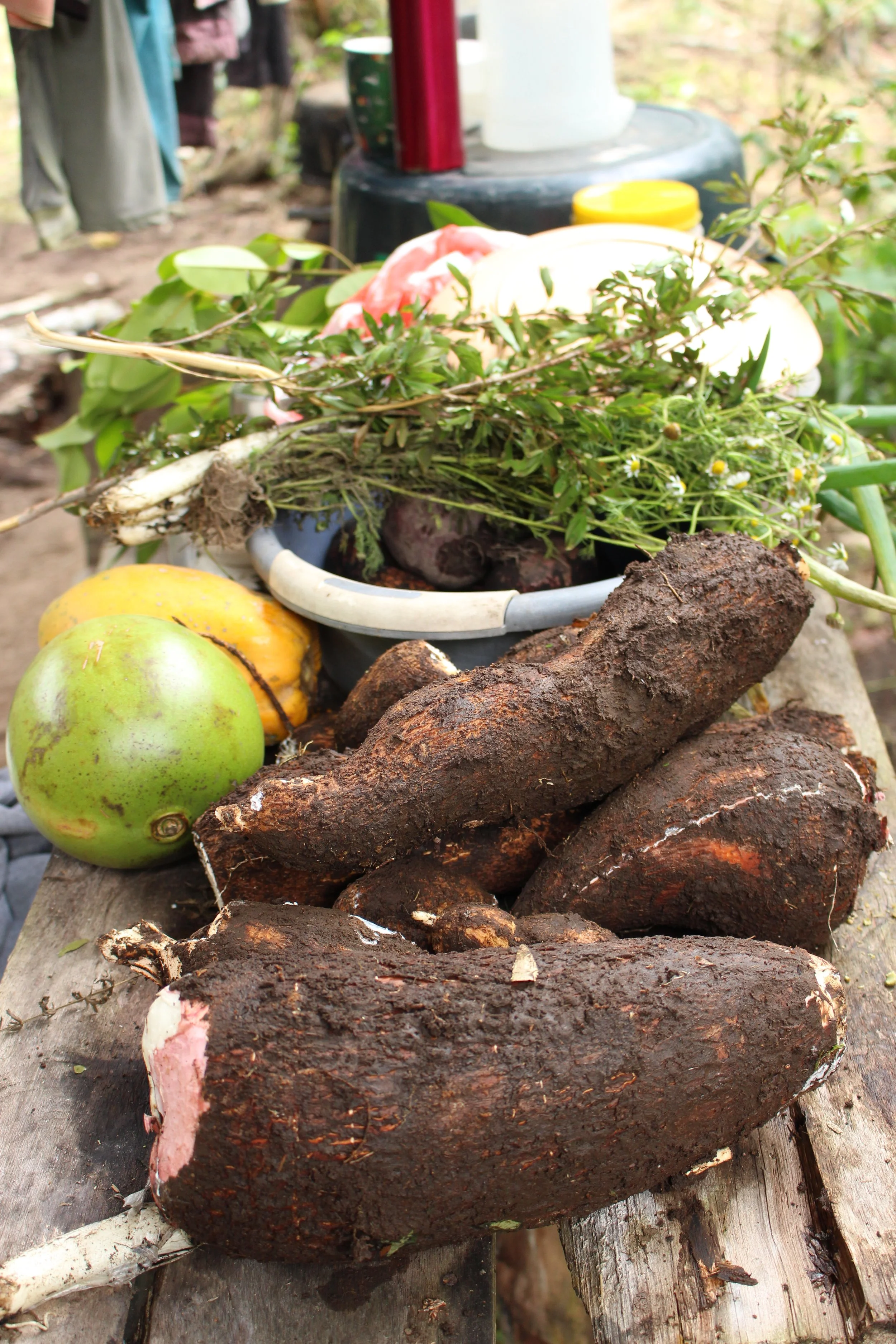
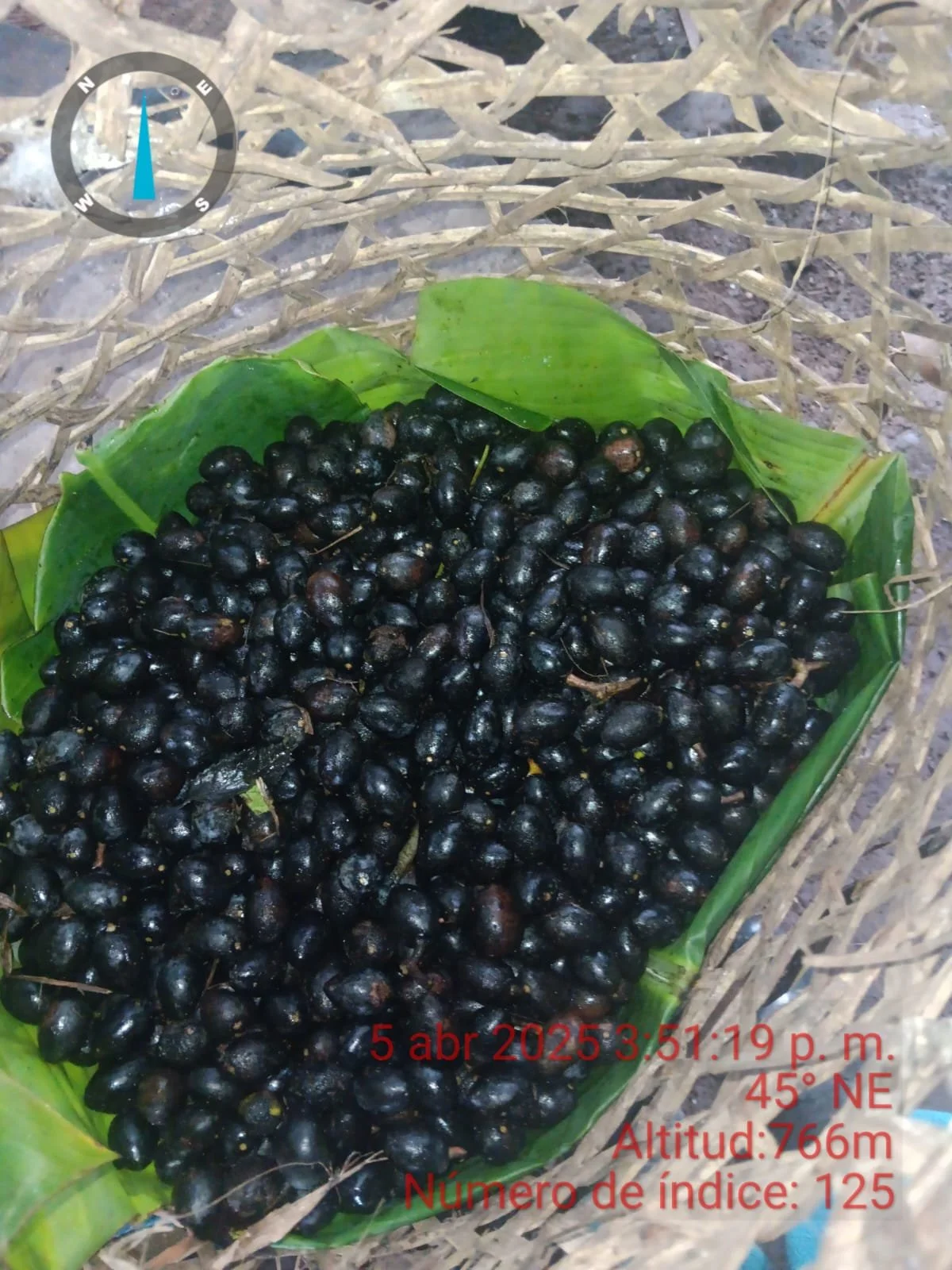
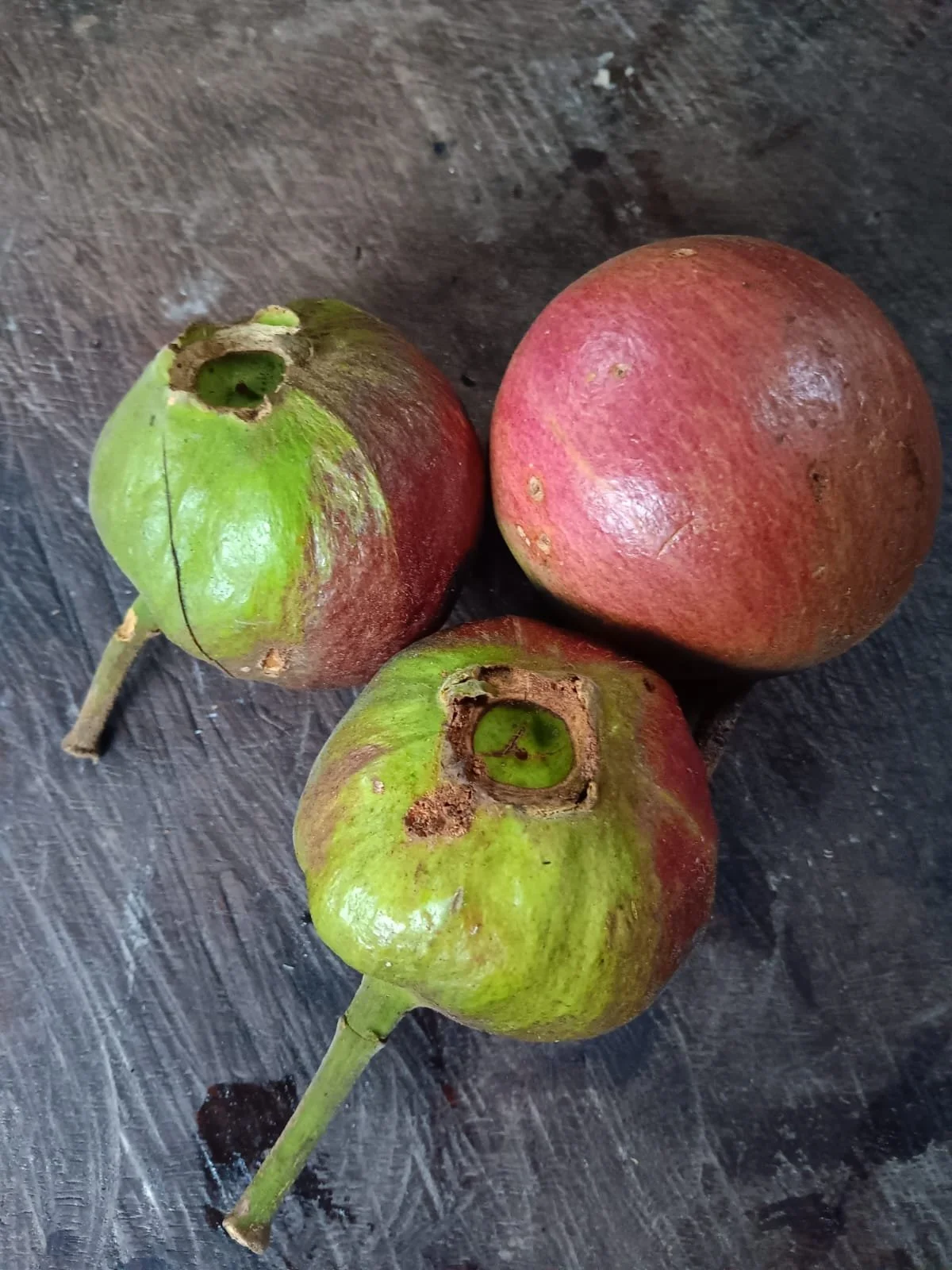
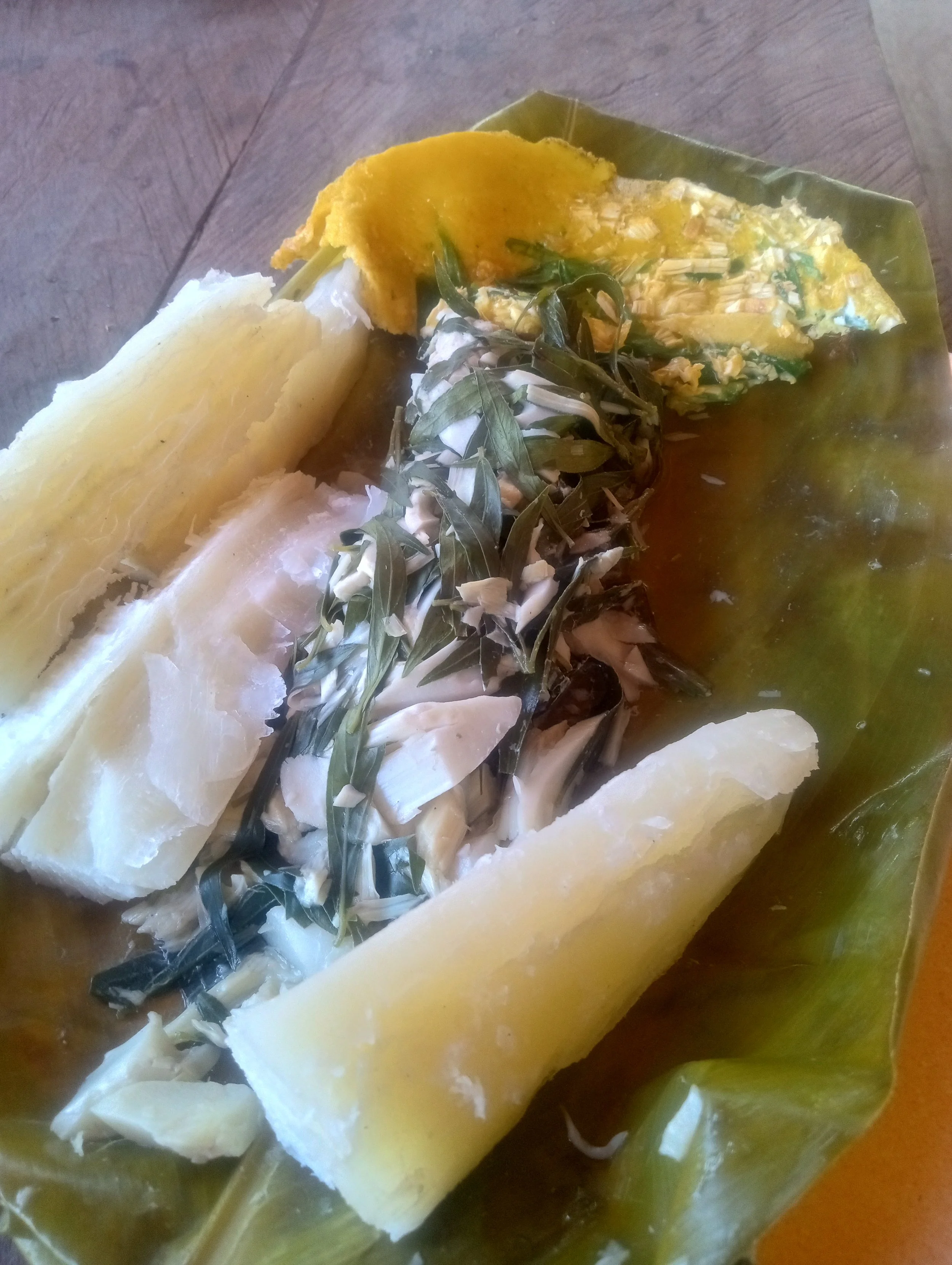
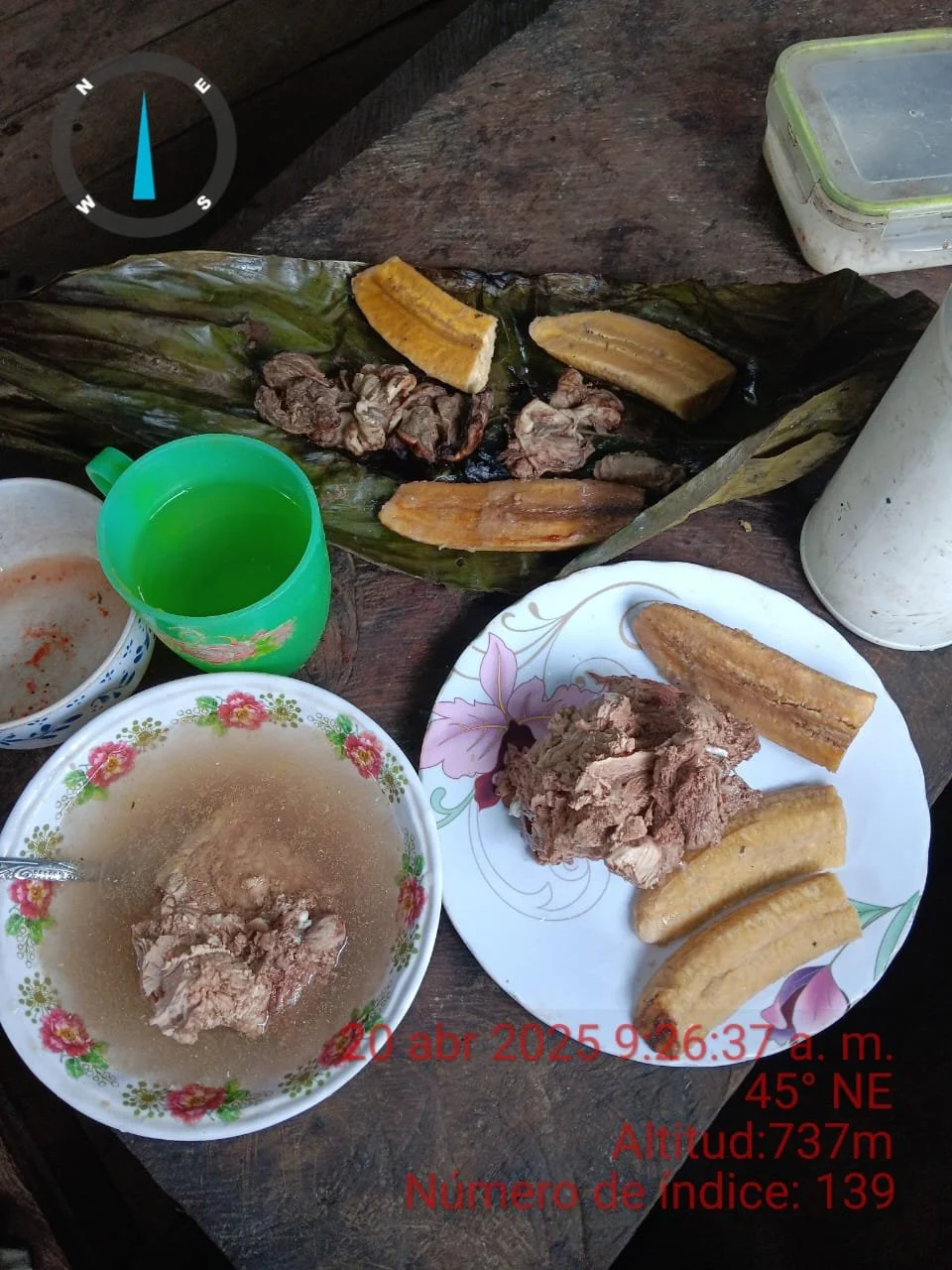
Typical foods they have are chickens, fish, plantain, yucca, banana, avocado, copal seeds, guapa, papaya, and many other Amazonian fruits. Meats they hunt include armadillo, kabibara and other wild meats that are shared within the family. Men are responsible for hunting and women prepare the meals.
They welcome guests with Chicha - a traditional fermented beverage made by chewing and spitting out yucca or plantain. Women make Chicha for their husbands when they go to work in the jugle as well.
Chinimpi community is incredibly loving and full of genuinely kind hearted people. They enjoy sharing their culture and wisdom with the visitors. Shuar Family shows us strong resilience and compassion with us.
Their deep connection to nature reminds us of joy in re-discoveries on the Earth. They weave their wisdom and incredible kindness into the new Earth filled with peace, ease and freedom.
シュア族について。 ここではチニンピ村に住むシュア族について共有しています。 知恵のキーパー、ガイド、ウィーバー。
シュア族はエクアドルとペルーの熱帯雨林に住む先住民族です。長年先祖たちそして熱帯雨林の知恵を守り自然界と調和を保ちながら生きています。独自の文化、言語、伝統を持ち長老者の一部はシュア語のみ話します。 ほとんどのシュア家族たちはシュア語とスペイン語を日常的に使っています。(ヨーロッパからの支配者、政府による教育システム、歴史の流れによりスペイン語とシュア語の両方が学校で教えられています)。 家族たちは日常的に狩猟採集を行い今もアマゾンで取れる薬用植物をセレモニー、ケガや健康状態のヒーリングに使用しています。アマディロやカピバラなど、今は銃での狩猟が日常の一部となっています。男性が狩りで得た肉類は女性が準備・調理します。 アチョテという植物から取れる鮮明な赤(オレンジ色)のインクでフェイス、ボディーペイントをし自分たちのスピリットを守る慣習を長年保ち今でもセレモニー前にプラクティスされています。現在大人のほとんどは家族を支える為農業、建設エリアで働いています。
伝統アートはルームでつくられるビーズのアクセサリー、アマゾンで取れるサンペドロ等の種、コンゴインコやトゥーカンの羽を使ったイアリング、髪飾り、ピルチェ(容器として使われる植物)の彫り物など今も盛んにつくられています。 日常的な食べ物は、鶏肉、魚、プランテイン、バナナ、ユッカ、アボカド、コパールの種、グアパと呼ばれるフルーツ、パパイヤなど多くのアマゾンフルーツがあります。狩猟で得られた肉類は家族間で分けられます。その他必要な物は近隣の街で手に入れています。彼らの熱帯雨林の大部分の土地が石油会社に奪われているのが現実でほとんどの家族たちは現在村で生活をしています。
訪問者をチチャというアマゾン独特の発酵ドリンクでおもてなししています。 またチチャはお嫁さんたちが働きに出る夫たちに作る飲み物でもあります。 青のコンゴインコの羽を身に着けることは狩りに出る旦那さんたちに感謝の気持ちを示す意味があります。
特別なイベントやセレモニーが行われる際女性はシュア文化を象徴する赤、青(又は水色)、黒を身に着けます。男性はセレモニーによって色を使い分けます。
チニンピ村に住むシュア族の家族たちはとても寛大なこころを持ち、心温まる日々で溢れています。 彼らは訪問者と文化や知恵を共有し喜びや幸せを分かち合っています。
知恵と思いやりを新しい世界へ運び、Pachamama/Nunkui(母なる地球)を守り続けてるシュア族。共に平和と自由なエネルギーで溢れた地球をつくる一員になりませんか?
#地球保護 #アマゾン熱帯雨林回復 #シュア族の保護 #調和 💙Yamaram najanatin (Restauración/Restoration) 💙Iñamprin o wenint (Protección/Protection) 💙Yuminmastin (Gratitud/Gratitude) 💙Ishuar(Familia/Family) 💙Irutkamu (Comunidad/Community) 💙Anenaitin (Amor/Love) 💙Warastin (Alegria/Happiness)


Traditional dance performance in the village💙 伝統ダンス💙
The vieo above: The Aishman Kakaram (Brave man) David Tariaru crossing the river on the pulley❕
Enriqueta is creating hand-woven loom beaded jewellery. Andres is crafting pilche with the fruit shell.
Photo Gallery Below↓